

Use the menu to learn more about our Frontiers speakers.
All speakers
55 speakers. Click a name to read their bio.
Dr. Gül Dölen, MD/PhD, is the Professor and Renee & Bob Parsons Endowed Chair in the Departments of Neuroscience and Psychology, the Helen Wills Neuroscience Institute, and the Berkeley Center for the Science of Psychedelics at the University of California, Berkeley. Dr. Dölen is the director of the PHATHOM project and maintains an adjunct professorship in Neuroscience and Neurology at the Johns Hopkins University School of Medicine. She is a pioneer and world leader of psychedelics research, as she has discovered the synaptic and circuit mechanisms underlying social reward learning and shown that this type of learning is constrained by a critical period.
Dr. Scott Aaronson is an adjunct professor of psychiatry at the University of Maryland School of Medicine, distinguished life fellow of the American Psychiatric Association, and is a fellow of the American College of Psychiatrists as well as the Clinical TMS Society and the American Society of Clinical Psychopharmacology. Dr. Aaronson also serves on the boards of the American Society of Clinical Psychopharmacology and the Brain Stimulation Subspecialty Society. Dr. Aaronson is the Chief Science Officer for the Institute for Advanced Diagnostics and Therapeutics at Sheppard Pratt.
Heidi Allen, MSW, PhD, is a Professor at Columbia University in the School of Social Work and Mailman School of Public Health, Department of Health Policy and Management. Dr. Allen has a certificate in Psychedelic-Assisted Therapies and Research from the California Institute of Integral Studies (2023) and completed the MDMA Therapy Training Program offered by the Multidisciplinary Association for Psychedelic Studies (MAPS) in 2022 and the Psychedelic Research and Training Institute (PRATI) Foundations in Psychedelic Medicine Training (2026). Dr. Allen serves on the Clinical Advisory Board at the Usona Institute, is a Board member for the Psychedelic Education Partnership (PEP) and a consultant for the University Psychedelic Education Program (UPEP).
Fred Barrett is a cognitive neuroscientist with training in behavioral pharmacology. He has been conducting psychedelic research at Johns Hopkins University since 2013, and his research in healthy participants and in patients with mood and substance use disorders focuses on the psychological and neurological mechanisms underlying the enduring therapeutic and other effects of psychedelic drugs. He developed the first comprehensive questionnaire to measure subjective aspects of challenging experiences encountered with psilocybin.
Susannah Baruch, JD, is the Executive Director of the Petrie-Flom Center for Health Law Policy, Biotechnology, and Bioethics at Harvard Law School. Susannah led the National Health Law Program’s Reproductive and Sexual Health team, Unite for Reproductive and Gender Equity, and the Reproductive Health Technologies Project. She was a founder of the Coalition for Genetic Fairness, and for seven years served as Law and Policy Director at Johns Hopkins University’s Genetics and Public Policy Center.
Brent Bellm is Chief Commercial Officer at Wave Neuroscience, where he oversees strategic partnerships, sales, marketing, and corporate development. Wave Neuroscience’s EEG/ECG-guided, personalized neuromodulation system using transcranial magnetic stimulation has been cleared by the FDA to treat adults with post-traumatic stress disorder (PTSD). Prior to Wave, Brent helped build and IPO two technology companies: BigCommerce, the ecommerce software platform, where he was CEO and Chairman for over nine years, and HomeAway, the leader in online vacation rental marketplaces, where he was President and COO for five years.
Rebecca Weintraub Brendel, MD, JD, is the Director of the Center for Bioethics at Harvard Medical School. She bases her clinical work in psychiatry at Massachusetts General Hospital (MGH) where she is the director of Law and Ethics at the Center for Law, Brain, and Behavior, provides medical oversight for the hospital’s inpatient guardianship team, and practices clinical and forensic psychiatry. Dr. Brendel is also an Associate Professor of Psychiatry and Global Health and Social Medicine at Harvard Medical School.
Dr. Al Bugazia joined ARPA-H in May 2026 and is an internal medicine and critical care–trained physician with more than a decade of experience as an intensivist, educator, and adjunct associate professor at the University of Wisconsin School of Medicine. He completed his critical care fellowship at Cleveland Clinic, where he served as Chief Fellow. His work has since expanded from crisis-based care to a broader focus on precision health, healthy aging, and chronic disease prevention.
Mesha Byrd, MS, is a community engagement practitioner based in Metro Atlanta. Through Second Draft Studios, she has partnered with nonprofits and purpose-driven organizations to build partnerships that drive collective change. Her work ranges from connecting charter schools with Brooklyn communities to improving voting experiences with election officials nationwide.
Leigh Charvet, PhD, is Professor of Psychiatry and Neurology at NYU Grossman School of Medicine, where she recently joined Interventional Psychiatry and directs the NYU Langone tDCS Program. She is a clinical neuropsychologist whose research focuses on developing and translating home-based wearable neuromodulation and digital health technologies to improve outcomes across neurological and psychiatric disorders.
Glenn Cohen is an elected member of the National Academy of Medicine. He has provided bioethical advising and consulting to some of the largest healthcare companies in the world, including Bayer, Otsuka, and Illumina. He was the youngest professor on the faculty at Harvard Law School (tenured or untenured) both when he joined the faculty in 2008 (at age 29) and when he was tenured as a full professor in 2013. Prof. Cohen’s current projects relate to medical AI, mobile health and other health information technologies, abortion, reproduction/reproductive technology, the therapeutic use of psychedelic drugs, research ethics, organ transplantation, rationing in law and medicine, health policy, FDA law, translational medicine, medical tourism and many other topics.
Tes Cohen, MPA, is Founder and Chief Gathering Officer of Gather Better, where she helps purpose-driven organizations design and facilitate gatherings that foster belonging, connection, and continuous learning. Her work spans facilitating women’s empowerment trainings as a Peace Corps Volunteer in Costa Rica, producing an 80-person summit for Gap Inc.’s CSR team, and leading youth workshops in New York City and Denver.
Michael Davis, MD, PhD, is the Center Director of the U.S. Food and Drug Administration’s Center for Drug Evaluation and Research (CDER). Dr. Davis was previously the Deputy Center Director of CDER, serving on the senior leadership team supporting the Center Director. Dr. Davis completed a Medical Scientist Training Program (MD, PhD in pharmacology) at Case Western Reserve University, psychiatric residency training at the Semel Institute for Neuroscience and Human Behavior at UCLA, and a clinical research fellowship at the West Los Angeles VA Mental Illness Research, Education, and Clinical Center.
Anthony Estreet, PhD, MBA, LCSW-C, earned a bachelor’s in science in psychology from Bowie State University, an MSW at Virginia Commonwealth University, a doctorate in social work at Morgan State University, and an MBA at the University of Maryland–College Park. He has been a professor and chair of the Master of Social Work Program at Morgan State University since 2013. Estreet is also founder and chief executive officer of Next Step Treatment Center in Baltimore, which provides substance use treatment and mental health services.
Stephen Gillaspy, PhD, is a licensed clinical psychologist with extensive experience integrating psychological services into larger healthcare systems. Dr. Gillaspy is recognized throughout the field of clinical psychology for his hard work and dedication as a Health Psychologist. Prior to joining APA staff, Dr. Gillaspy was a Professor and Director of Pediatric Psychology in the Department of Pediatrics at the University of Oklahoma, College of Medicine.
Andrew Gradison is Senior Advisor for the Veterans Health Administration, reporting directly to the Under Secretary for Health, where he works to help lead the nation’s largest integrated health care system and oversee care for over nine million Veterans. Most recently, Andrew served as Acting Assistant Secretary and Principal Deputy Assistant Secretary at the U.S. Department of Health and Human Services (HHS), where he led the Administration for Children and Families (ACF), managing a $74 billion operating division, advancing Make America Healthy Again initiatives, and executing pivotal deregulatory initiatives. He previously served as Senior Education Policy Advisor for the U.S. Senate Committee on Health, Education, Labor, and Pensions, and held significant positions at the U.S. House Committee on Ways and Means.
Kimberly Green-Warren, MPH, is the Founder of SMART Health Education, where she helps mission-driven organizations design and facilitate learning experiences that stick. Her work spans curriculum development, training design, and meeting facilitation where she has designed and facilitated meetings for APHA, NACCHO, NNPHI, the CDC Foundation, and the Campaign for Tobacco-Free Kids.
Grady Hannah co-founded NightWare, the 7th FDA Cleared Digital Therapeutic, in 2015, and subsequently co-founded the Rapid Acting Mental Health Treatment conference (RAMHT), which brings together key clinical and research constituencies and industry stalwarts such as Definium Therapeutics, BrainsWay, Ampa, Radial, Neurolief, NRX, and other innovators. Grady lives in Minneapolis, Minnesota, the world center of med device innovation.
Henry Harbin, MD, is a psychiatrist with more than fifty years of extensive experience in the behavioral health field. He has served as CEO/Chairman of two national behavioral health care companies: Magellan Health Services and Greenspring Health Services. Dr. Harbin was also Director of the Mental Health Authority for the State of Maryland, member of the President’s New Freedom Commission on Mental Health, and co-chair of the National Business Group on Health’s workgroup to improve corporate employees’ behavioral health. He is on the Board of BrainFutures and the Mental Health Association of Maryland.
Lucia Huang is co-founder and CEO of Osmind. Prior to Osmind, she led business and operations at Verge Genomics, a next generation biotechnology company leveraging artificial intelligence for central nervous system diseases such as ALS and Parkinson’s. Lucia graduated Yale with a B.S. in Chemistry and earned an MBA at Stanford, where she was also awarded a Certificate in Public Management and Social Innovation for her dedication to social impact. She has been named to Forbes 30 under 30 for her innovative work in healthcare.
Elisabeth Irvine’s research focuses on improving how psychedelic therapies are studied, with particular interests in data standardization and research methodology. She coordinates the Standardizing Measures in Psychedelic Science (StaMPS) initiative, an international expert-consensus project developing a framework to guide data collection across psychedelic research and care.
Dr. Jessica Jackson is a licensed psychologist, consultant, and nationally recognized speaker helping organizations navigate emerging challenges and make thoughtful decisions about the future of mental health. Through her private practice, Therapy Is For Everyone Psychological & Consultation Services, she advises healthcare organizations, professional associations, startups, and investors on responsible innovation, mental health strategy, and equitable implementation.
Logan Kelly, MPH, is a senior fellow at the Center for Health Care Strategies (CHCS), where she provides strategic consultation and technical assistance on behavioral health policy and financing, community-based workforce strategies, and person-centered care models for adults with complex health and social needs. Her work includes providing technical assistance to state Medicaid agencies; leading learning collaboratives and stakeholder convenings with managed care organizations, health and social care providers, and other partners; and conducting research on the impacts of state Medicaid transformation and behavioral health initiatives.
Franklin King IV, MD, serves as the Director of Training and Education at the Massachusetts General Hospital (MGH) Center for the Neuroscience of Psychedelics and holds a faculty position as a Clinical Instructor at Harvard Medical School. His primary clinical and research focus is on the application of psychedelic-assisted psychotherapy for the treatment of persistent psychiatric conditions, e.g., depression and anxiety disorders. He also maintains a clinical practice as a staff psychiatrist at the Center for Anxiety and Traumatic Stress Disorders.
Oded Kraft is co-founder and CEO of GrayMatters Health, developing non-drug, non-invasive interventional psychiatry treatments powered by the first FDA-cleared behavioral BCI digital brain biomarker. The company was founded on a simple belief: whatever the intervention, drug, device or psychedelic, the field advances only when we measure what the brain is doing and identify who is responding. Oded brings 30 years of global leadership, across a wide span of technologies and multiple businesses.
Rick Lambert, MD, is a highly experienced physician with over 40 years of clinical practice, including more than 20 years in emergency medicine. A graduate of the NYU School of Medicine, Dr. Lambert has dedicated his career to providing compassionate, high-quality care across multiple disciplines, including emergency medicine, physical medicine, and acupuncture. In his role as a Senior Advisor at SAMHSA, he will be collaborating with leaders to implement cutting-edge treatments that can improve the well-being of Americans nationwide.
Jess Lin, MPH (she/her), is the Program Director for the Clinician Psychedelic Education Program. Jess previously served as Director of Therapy Training at Lykos Therapeutics (now Resilient), where she led therapist oversight and supervision for clinical trials of MDMA-assisted therapy. Prior to working in psychedelic science, Jess developed and implemented HIV prevention research and programs across nonprofit, academic, and government settings. Her work included leading the first international longitudinal cohort study of HIV risk amongst transgender women. Jess holds an AB in urban studies and comparative literature from Brown University, and an MPH in health and social behavior from UC Berkeley.
Carlene MacMillan, MD, FCTMSS, DFAACAP, is Cofounder and Chief Product Officer of Radial. A healthtech veteran and visionary, Dr. MacMillan focuses on building robust technology infrastructure, advancing measurement-informed care and advocating for improved insurance coverage to expand access to breakthrough psychiatric treatments. She is a Harvard-trained dual board-certified child, adolescent, and adult psychiatrist who leverages her clinical experience into products that meet patients where they are and move them toward measurable recovery.
Elliot Marseille, DrPH, MPP, is a health economist whose work sits at the intersection of psychedelic science, public health, and policy. He directs the Collaborative for the Economics of Psychedelics at UC Berkeley, where he and collaborators develop rigorous, decision-relevant analyses of psychedelic-assisted therapies.
Amy McGuire, JD, PhD, is the Leon Jaworski Professor of Biomedical Ethics, Director of the Center for Medical Ethics and Health Policy at Baylor College of Medicine and founding director of the Ethical Legal Implications of Psychedelics in Society (ELIPSIS) program. She researches ethical and policy issues related to emerging technologies and innovative therapeutics, with a particular focus on genetics and genomics, neuropsychology, artificial intelligence, and the clinical integration of novel neurological devices.
Dr. L. Alison McInnes is Director of Psychedelic Medicine at Mindful Health Solutions, a multi-site interventional psychiatry company that specializes in novel therapies and real-world evidence generation. She is also a faculty expert for the American Society of Ketamine Physicians, Psychotherapists and Practitioners and senior author of the first ever multidisciplinary Delphi-driven consensus guidelines for intravenous ketamine (IVK) therapy sponsored by that group.
Joe McKay is a retired FDNY firefighter who spends his time advocating for causes close to his heart. With Clusterbusters/AHDA, Joe is a patient advocate for the Headache on the Hill event, where he helps lobby Congress for increased recognition of, and more equitable policies toward, Americans with disabling headache disorders. Joe also advocated alongside fellow first responders and Jon Stewart in 2015 and 2019 to get 9/11 health and compensation bills passed, and again with Burn Pits 360 to help pass the PACT Act in 2022. He also serves on the board of the Ray Pfeifer Foundation, helping 9/11 first responders with medical needs.
Beth Ann Middlebrook, Esq., is a health lawyer specializing in behavioral health law and the owner of B. Middlebrook Consulting, LLC. Ms. Middlebrook’s subject matter expertise includes the Mental Health Parity and Addiction Equity Act (MHPAEA), state parity laws, as well as behavioral health network access and adequacy. She has been an attorney since 1987, practicing as both an associate and partner at private law firms in various specialties until transitioning to health law in 2006.
Andrew Penn, MS, PMHNP, is a Clinical Professor in the University of California, San Francisco, School of Nursing where his teaching has received the UCSF Academic Senate Distinction in Teaching Award, among other recognitions. Trained as a psychiatric-mental health nurse practitioner, he directs national clinical nursing operations for Salma Health, a company founded by the creators of Stanford Accelerated Intelligent Neuromodulation Treatment (SAINT), a rapidly acting form of Transcranial Magnetic Stimulation (TMS). He is a cofounder of the Organization of Psychedelic and Entheogenic Nurses (OPENurses.org).
Dr. Stacey Pollack is a clinical psychologist and recently retired as the Senior Consultant for Strategic Priorities in the Office of Mental Health (OMH) at VA Central Office. She was part of the OMH Executive Leadership Team and worked in the VA Central Office for approximately fifteen years (and in VA for 26 years). Dr. Pollack’s expertise is in the area of PTSD and Disability Evaluations, and within her portfolio she oversaw the National Center for PTSD and was part of the steering committee of the VA psychedelics integrated project team. Dr. Pollack served as the Lead Psychologist and was the OMH subject matter expert/liaison for issues pertaining to mental health training and mental health hiring. She received her Bachelor’s Degree from the University of Maryland and her Master’s and Doctoral degrees from the University of Georgia’s clinical psychology program.
Jessica Punzo, PsyD, is a licensed clinical psychologist and PSYPACT provider with advanced training and leadership in trauma-focused care. She holds a doctoral degree in Clinical Psychology with a concentration in Traumatic Stress from Adler University and currently serves as Past President of Division 56, Trauma Psychology, of the American Psychological Association. Dr. Punzo has extensive experience treating PTSD and complex trauma across diverse clinical settings, including community mental health, corrections, and VA systems. She is certified in psychedelic assisted therapy through the Integrative Psychiatry Institute (IPI) and maintains a private practice specializing in ketamine assisted psychotherapy.
Jeff Richardson serves as the CEO for Integral Care. Previously he was the Vice President and Chief Operating Officer of Sheppard Pratt, a prominent behavioral health organization in Maryland. Jeff holds a master’s degree in social work from the University of Maryland and a master’s in business administration from Loyola University. His commitment to behavioral health advocacy is evident through his involvement in nonprofit boards and state task forces. Jeff has held prestigious roles such as Board President for The National Council for Behavioral Healthcare, President of the Board for the Mental Health Association of Maryland and President of the BrainFutures board.
Ariel Richer, LMSW, PhD, is Co-founder and Director of Research at Urban Indigenous Collective. Ariel is an Assistant Professor at the University of Utah, College of Social Work. Ariel earned both a Master’s degree and a PhD in Social Work at Columbia University School of Social Work, and has been a Licensed Master Social Worker for 8 years. Her research focus is on intimate partner violence and increasing access to relevant services for Black and Indigenous women who experience structural stigma related to drug use, involvement in the criminal-legal system, sexuality, and racism. Her work is grounded in principles of community-based participatory research, as she works collaboratively with Black and Indigenous communities.
Laura Runnels, MPH, is the Founder of LAR Consulting, LLC, where she helps groups think more clearly, work more collaboratively, and move from conversation to action. For nearly two decades, she has designed and facilitated convenings, conducted formative research, and served as a thinking partner for clients. These include ASTHO, NACCHO, the CDC Foundation, the National Council for Mental Wellbeing, and the National Academies.
Philip Rutherford is Vice President, Substance Use Continuum at The National Council for Mental Wellbeing. Rutherford has managed strategy and operations for several recovery-focused organizations. He is a member of committees at the National Institutes of Health, the Food and Drug Administration and other federal agencies. He serves as board chair for the Police Treatment and Community Collaborative. He also holds board seats at the National Association of Addiction Treatment Providers, Ampact, and the Recovery Policy Collaborative.
Ceyda Sayalı, PhD, is an Assistant Professor of Psychiatry and Behavioral Sciences and a faculty member at the Center for Psychedelic and Consciousness Research at Johns Hopkins University. She is a cognitive neuroscientist whose research investigates the neurocognitive and neurophysiological mechanisms underlying the acute and enduring effects of psychedelics, with the broader goal of understanding how these compounds produce lasting changes in cognition, mood, and behavior.
Dr. Leith States, MD, MPH, MBA, is a board-certified preventive medicine physician and nationally recognized leader in public health, regulatory reform, and behavioral health innovation who previously served as Acting Assistant Secretary for Health and Acting Head of the U.S. Public Health Service Commissioned Corps. Over 16 years of federal service, he advised multiple administrations on issues spanning substance use disorder, drug policy, psychedelic-assisted therapy, Long COVID, environmental health, and health equity, working across HHS, VA, DoD, FDA, NIH, and Congress. He has continued this work as Founder and Principal of States Strategies, LLC.
Dr. Wendy Tenhula is a clinical psychologist with expertise in the development, implementation, and evaluation of psychosocial interventions; cognitive functioning in schizophrenia; vocational rehabilitation; and reducing the stigma associated with seeking mental health treatment. In her current role, as the Deputy Chief Research and Development Officer, Office of Research and Development, Veterans Health Administration (VHA), she is responsible for directing, coordinating and evaluating the Veterans Health Administration’s national Research and Development program with a focus on increasing Veteran access to high quality clinical trials, increasing the real-world impact of VA research and transforming VA data into a national research resource.
Dr. Megan Vaughan is a researcher and clinician in human performance, integrative medicine, and cognitive neuroscience, specializing in performance-based mindfulness, sleep, psychedelic integration, and biofeedback. She designs brain health and resilience programs for Special Operations Forces (SOF) personnel and First Responders, focusing on cognitive functioning, sleep, and emotional regulation. Dr. Vaughan is a Somatic Experiencing Practitioner (SEP) and is trained in psychedelic integration through the California Institute of Integral Studies (CIIS) and Fluence Harm Reduction. She leads psychedelic integration workshops for veterans and their spouses through Veterans Exploring Treatment Solutions (VETS).
Cody J. Wenthur is a member of the faculty in the School of Pharmacy at the University of Wisconsin–Madison. Dr. Wenthur’s research focuses on improvement of the treatment landscape for drug abuse and mental illnesses through the discovery and application of novel biological and chemical tools that modify maladaptive reward learning.
Marketa M. Wills, M.D., M.B.A., FAPA, is the CEO/Medical Director of the American Psychiatric Association, becoming the organization’s eighth CEO and its first Black American and first woman. Prior to joining APA, Dr. Wills served as Senior Vice President and Chief Medical Officer for Johns Hopkins Health Plans (JHHP), where she led clinical strategy and operations across Pharmacy, Medical Management, Care Management, and Quality Improvement.
Mary Elizabeth “Bit” Yaden, MD, MS, MAPP, is an Assistant Professor of Psychiatry at Johns Hopkins University School of Medicine. She is the Clinical Director of the Center for Psychedelics and Consciousness Research at Johns Hopkins. Her primary clinical role is providing psilocybin facilitation for study participants as well as medical monitoring. Her current scholarship has focused on education in psychedelic medicine and psychotherapy for residents and other medical learners. She was recognized nationally for excellence as an educator by AADPRT as a Ginsberg Fellowship recipient.
Welcome & Opening Plenary
3 speakers
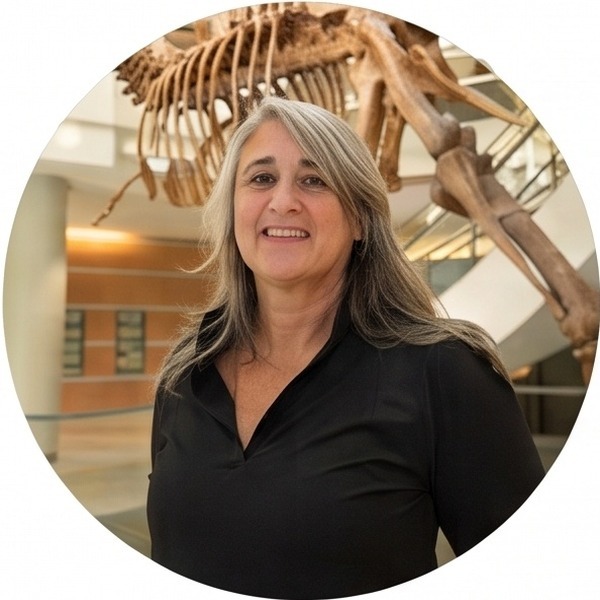
Gül Dölen, MD, PhD
University of California, Berkeley
Dr. Gül Dölen, MD/PhD, is the Professor and Renee & Bob Parsons Endowed Chair in the Departments of Neuroscience and Psychology, the Helen Wills Neuroscience Institute, and the Berkeley Center for the Science of Psychedelics at the University of California, Berkeley. Dr. Dölen is the director of the PHATHOM project and maintains an adjunct professorship in Neuroscience and Neurology at the Johns Hopkins University School of Medicine. She is a pioneer and world leader of psychedelics research, as she has discovered the synaptic and circuit mechanisms underlying social reward learning and shown that this type of learning is constrained by a critical period.
Sarah Norman
BrainFutures
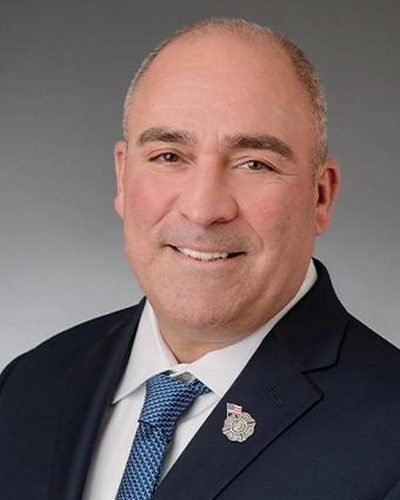
Joe McKay
Clusterbusters/AHDA
Joe McKay is a retired FDNY firefighter who spends his time advocating for causes close to his heart. With Clusterbusters/AHDA, Joe is a patient advocate for the Headache on the Hill event, where he helps lobby Congress for increased recognition of, and more equitable policies toward, Americans with disabling headache disorders. Joe also advocated alongside fellow first responders and Jon Stewart in 2015 and 2019 to get 9/11 health and compensation bills passed, and again with Burn Pits 360 to help pass the PACT Act in 2022. He also serves on the board of the Ray Pfeifer Foundation, helping 9/11 first responders with medical needs.
General Session: State of the Field
4 speakers

Heidi Allen, MSW, PhD
Columbia University
Heidi Allen, MSW, PhD, is a Professor at Columbia University in the School of Social Work and Mailman School of Public Health, Department of Health Policy and Management. Dr. Allen has a certificate in Psychedelic-Assisted Therapies and Research from the California Institute of Integral Studies (2023) and completed the MDMA Therapy Training Program offered by the Multidisciplinary Association for Psychedelic Studies (MAPS) in 2022 and the Psychedelic Research and Training Institute (PRATI) Foundations in Psychedelic Medicine Training (2026). Dr. Allen serves on the Clinical Advisory Board at the Usona Institute, is a Board member for the Psychedelic Education Partnership (PEP) and a consultant for the University Psychedelic Education Program (UPEP).
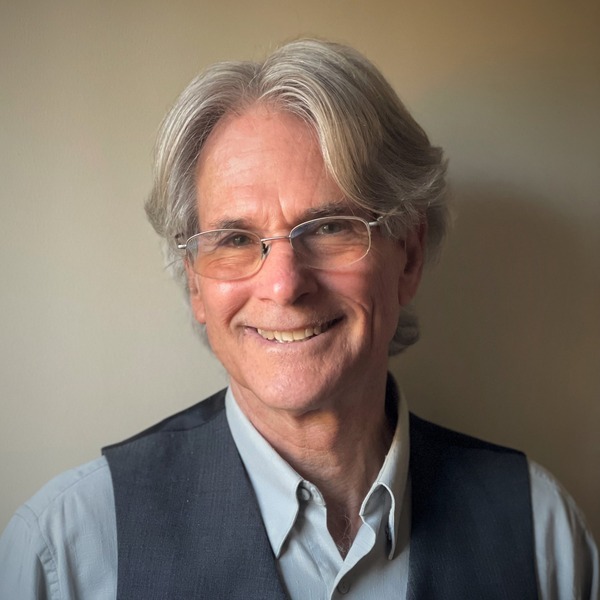
Elliot Marseille, DrPH, MPP
UC Berkeley
Elliot Marseille, DrPH, MPP, is a health economist whose work sits at the intersection of psychedelic science, public health, and policy. He directs the Collaborative for the Economics of Psychedelics at UC Berkeley, where he and collaborators develop rigorous, decision-relevant analyses of psychedelic-assisted therapies.
Also speaking in:
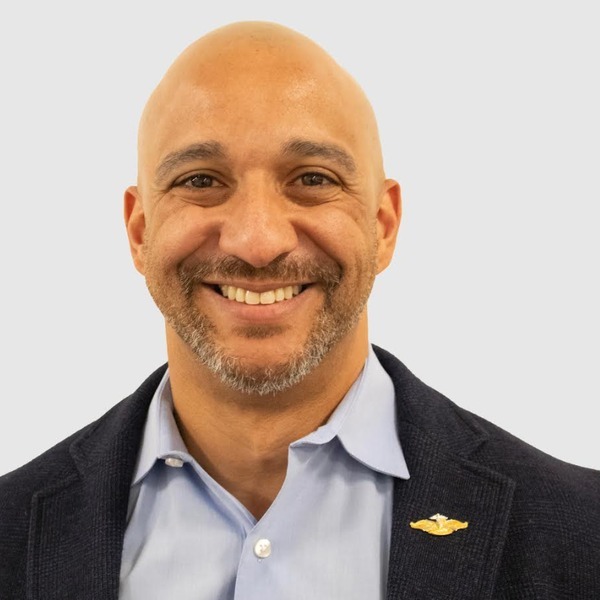
Leith States, MD, MPH, MBA
States Strategies, LLC
Dr. Leith States, MD, MPH, MBA, is a board-certified preventive medicine physician and nationally recognized leader in public health, regulatory reform, and behavioral health innovation who previously served as Acting Assistant Secretary for Health and Acting Head of the U.S. Public Health Service Commissioned Corps. Over 16 years of federal service, he advised multiple administrations on issues spanning substance use disorder, drug policy, psychedelic-assisted therapy, Long COVID, environmental health, and health equity, working across HHS, VA, DoD, FDA, NIH, and Congress. He has continued this work as Founder and Principal of States Strategies, LLC.
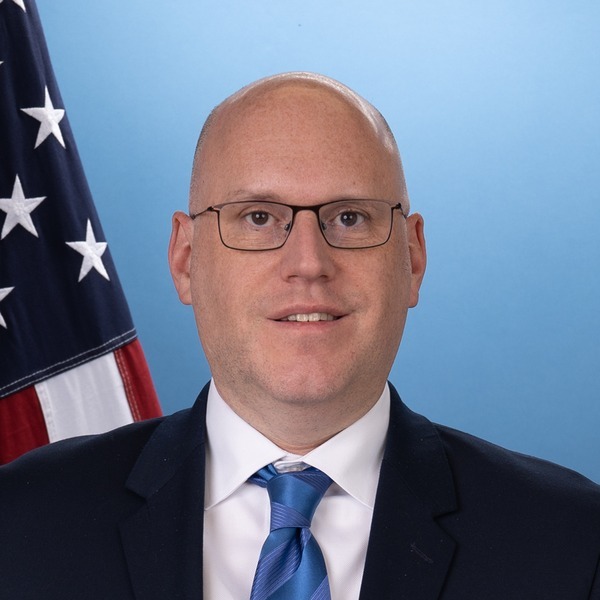
Michael Davis, MD, PhD
U.S. Food and Drug Administration
Michael Davis, MD, PhD, is the Center Director of the U.S. Food and Drug Administration’s Center for Drug Evaluation and Research (CDER). Dr. Davis was previously the Deputy Center Director of CDER, serving on the senior leadership team supporting the Center Director. Dr. Davis completed a Medical Scientist Training Program (MD, PhD in pharmacology) at Case Western Reserve University, psychiatric residency training at the Semel Institute for Neuroscience and Human Behavior at UCLA, and a clinical research fellowship at the West Los Angeles VA Mental Illness Research, Education, and Clinical Center.
Legal Considerations for Psychedelic Therapy Providers
2 speakers
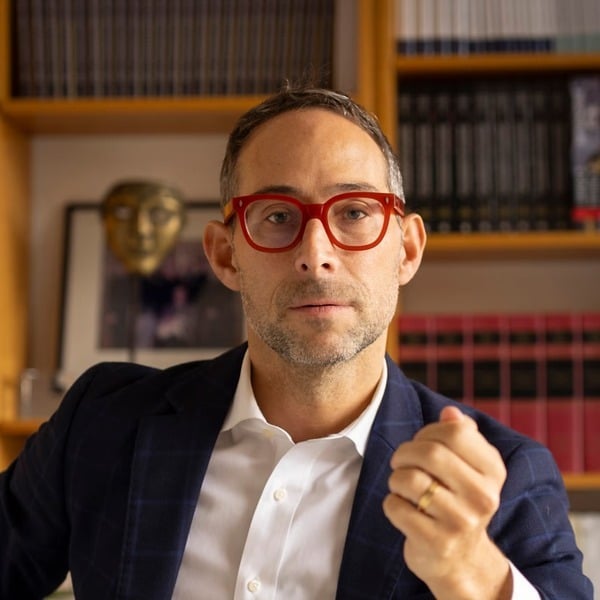
Glenn Cohen, JD
Harvard Law School
Glenn Cohen is an elected member of the National Academy of Medicine. He has provided bioethical advising and consulting to some of the largest healthcare companies in the world, including Bayer, Otsuka, and Illumina. He was the youngest professor on the faculty at Harvard Law School (tenured or untenured) both when he joined the faculty in 2008 (at age 29) and when he was tenured as a full professor in 2013. Prof. Cohen’s current projects relate to medical AI, mobile health and other health information technologies, abortion, reproduction/reproductive technology, the therapeutic use of psychedelic drugs, research ethics, organ transplantation, rationing in law and medicine, health policy, FDA law, translational medicine, medical tourism and many other topics.
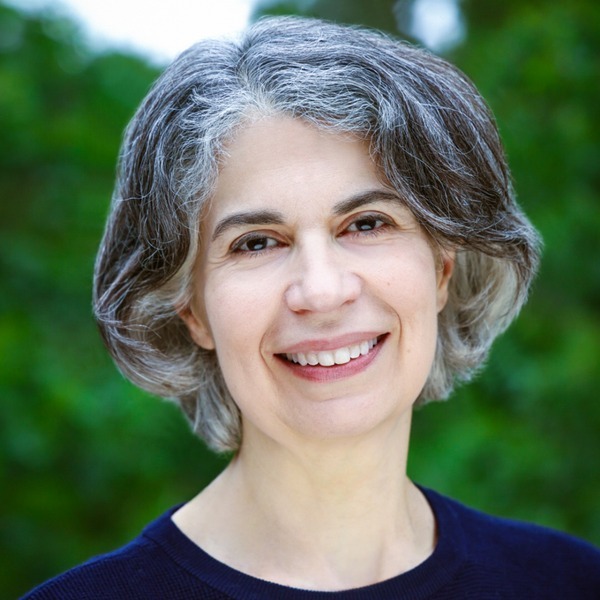
Susannah Baruch, JD
Petrie-Flom Center, Harvard Law School
Susannah Baruch, JD, is the Executive Director of the Petrie-Flom Center for Health Law Policy, Biotechnology, and Bioethics at Harvard Law School. Susannah led the National Health Law Program’s Reproductive and Sexual Health team, Unite for Reproductive and Gender Equity, and the Reproductive Health Technologies Project. She was a founder of the Coalition for Genetic Fairness, and for seven years served as Law and Policy Director at Johns Hopkins University’s Genetics and Public Policy Center.
Reimbursement and Coverage for Interventional Psychiatry
3 speakers
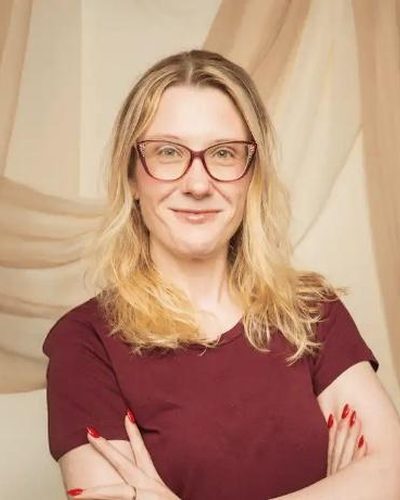
Carlene MacMillan, MD, FCTMSS, DFAACAP
MacMillan, Muir, & Associates
Carlene MacMillan, MD, FCTMSS, DFAACAP, is Cofounder and Chief Product Officer of Radial. A healthtech veteran and visionary, Dr. MacMillan focuses on building robust technology infrastructure, advancing measurement-informed care and advocating for improved insurance coverage to expand access to breakthrough psychiatric treatments. She is a Harvard-trained dual board-certified child, adolescent, and adult psychiatrist who leverages her clinical experience into products that meet patients where they are and move them toward measurable recovery.
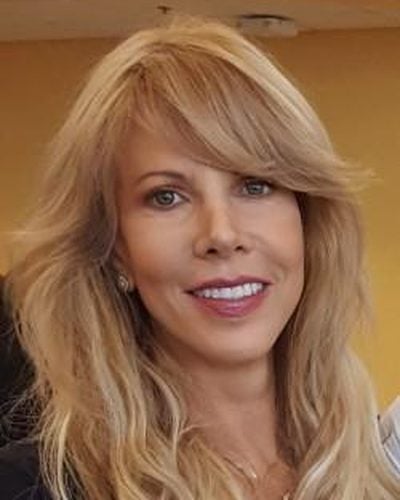
Beth Ann Middlebrook, Esq.
B. Middlebrook Consulting, LLC
Beth Ann Middlebrook, Esq., is a health lawyer specializing in behavioral health law and the owner of B. Middlebrook Consulting, LLC. Ms. Middlebrook’s subject matter expertise includes the Mental Health Parity and Addiction Equity Act (MHPAEA), state parity laws, as well as behavioral health network access and adequacy. She has been an attorney since 1987, practicing as both an associate and partner at private law firms in various specialties until transitioning to health law in 2006.
Dimitrios Cavathas
HealthPort
Evidence-based Education of the Healthcare Workforce
2 speakers

Jess Lin, MPH
Clinician Psychedelic Education Program
Jess Lin, MPH (she/her), is the Program Director for the Clinician Psychedelic Education Program. Jess previously served as Director of Therapy Training at Lykos Therapeutics (now Resilient), where she led therapist oversight and supervision for clinical trials of MDMA-assisted therapy. Prior to working in psychedelic science, Jess developed and implemented HIV prevention research and programs across nonprofit, academic, and government settings. Her work included leading the first international longitudinal cohort study of HIV risk amongst transgender women. Jess holds an AB in urban studies and comparative literature from Brown University, and an MPH in health and social behavior from UC Berkeley.
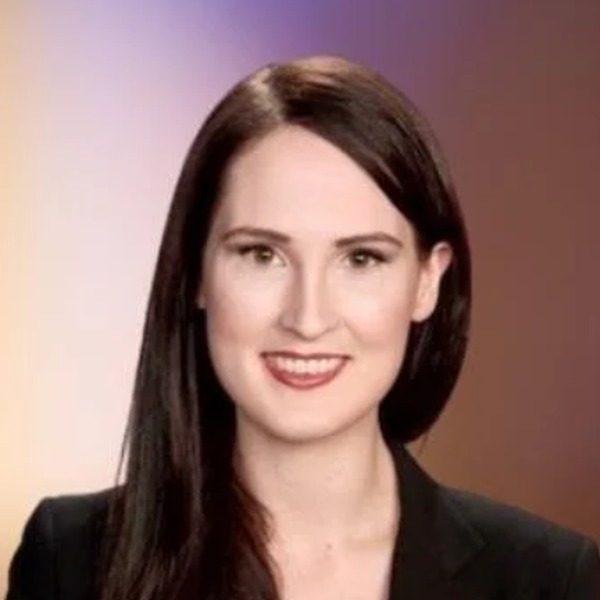
Mary Elizabeth “Bit” Yaden, MD, MS, MAPP
Johns Hopkins University
Mary Elizabeth “Bit” Yaden, MD, MS, MAPP, is an Assistant Professor of Psychiatry at Johns Hopkins University School of Medicine. She is the Clinical Director of the Center for Psychedelics and Consciousness Research at Johns Hopkins. Her primary clinical role is providing psilocybin facilitation for study participants as well as medical monitoring. Her current scholarship has focused on education in psychedelic medicine and psychotherapy for residents and other medical learners. She was recognized nationally for excellence as an educator by AADPRT as a Ginsberg Fellowship recipient.
Same Molecule, Different Patients: Universal Care vs. Population-Specific Adaptation
2 speakers
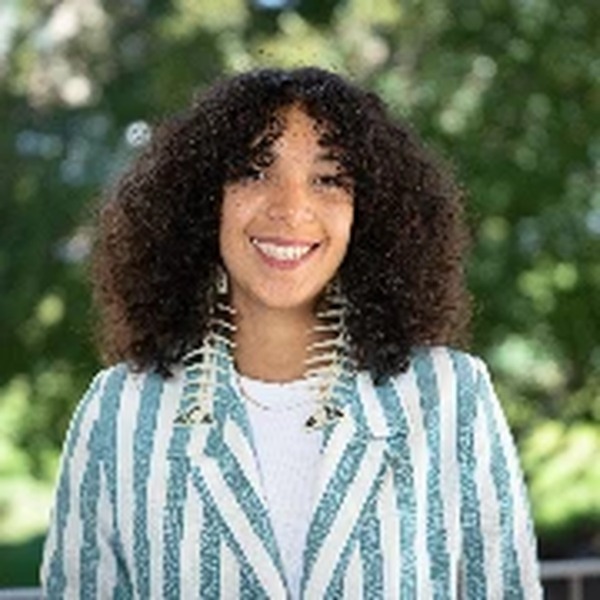
Ariel Richer, LMSW, PhD
Urban Indigenous Collective
Ariel Richer, LMSW, PhD, is Co-founder and Director of Research at Urban Indigenous Collective. Ariel is an Assistant Professor at the University of Utah, College of Social Work. Ariel earned both a Master’s degree and a PhD in Social Work at Columbia University School of Social Work, and has been a Licensed Master Social Worker for 8 years. Her research focus is on intimate partner violence and increasing access to relevant services for Black and Indigenous women who experience structural stigma related to drug use, involvement in the criminal-legal system, sexuality, and racism. Her work is grounded in principles of community-based participatory research, as she works collaboratively with Black and Indigenous communities.
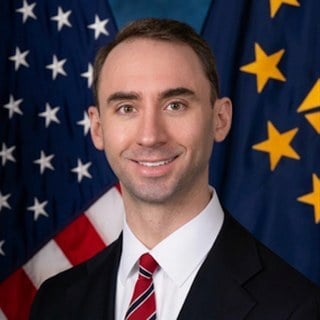
Andrew Gradison, JD
Veterans Health Administration
Andrew Gradison is Senior Advisor for the Veterans Health Administration, reporting directly to the Under Secretary for Health, where he works to help lead the nation’s largest integrated health care system and oversee care for over nine million Veterans. Most recently, Andrew served as Acting Assistant Secretary and Principal Deputy Assistant Secretary at the U.S. Department of Health and Human Services (HHS), where he led the Administration for Children and Families (ACF), managing a $74 billion operating division, advancing Make America Healthy Again initiatives, and executing pivotal deregulatory initiatives. He previously served as Senior Education Policy Advisor for the U.S. Senate Committee on Health, Education, Labor, and Pensions, and held significant positions at the U.S. House Committee on Ways and Means.
Reimbursement and Coverage for Psychedelic Therapy
4 speakers
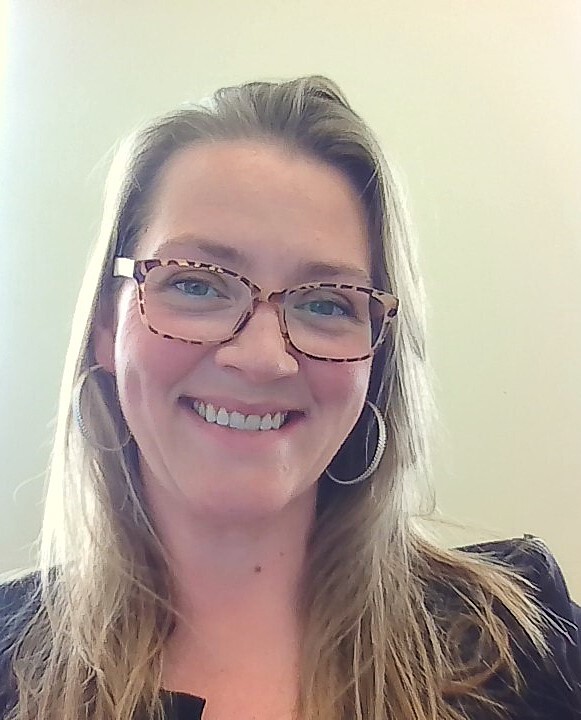
Bridgid Garcia
Radial
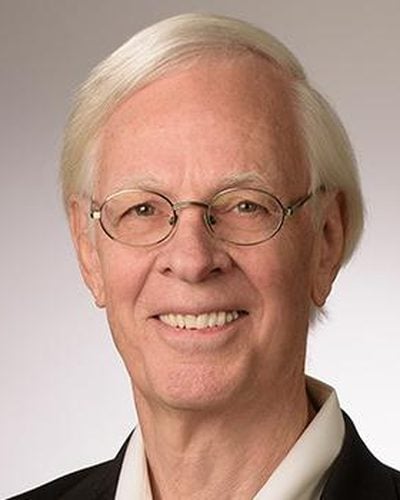
Henry Harbin, MD
BrainFutures
Henry Harbin, MD, is a psychiatrist with more than fifty years of extensive experience in the behavioral health field. He has served as CEO/Chairman of two national behavioral health care companies: Magellan Health Services and Greenspring Health Services. Dr. Harbin was also Director of the Mental Health Authority for the State of Maryland, member of the President’s New Freedom Commission on Mental Health, and co-chair of the National Business Group on Health’s workgroup to improve corporate employees’ behavioral health. He is on the Board of BrainFutures and the Mental Health Association of Maryland.
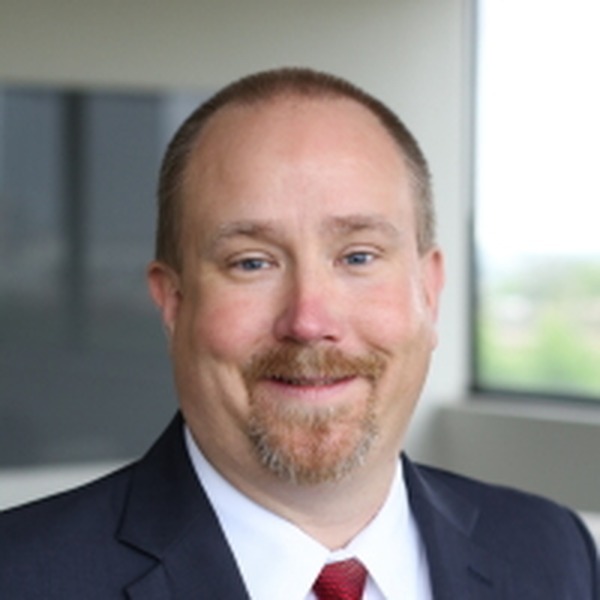
Stephen Gillaspy, PhD
American Psychological Association
Stephen Gillaspy, PhD, is a licensed clinical psychologist with extensive experience integrating psychological services into larger healthcare systems. Dr. Gillaspy is recognized throughout the field of clinical psychology for his hard work and dedication as a Health Psychologist. Prior to joining APA staff, Dr. Gillaspy was a Professor and Director of Pediatric Psychology in the Department of Pediatrics at the University of Oklahoma, College of Medicine.
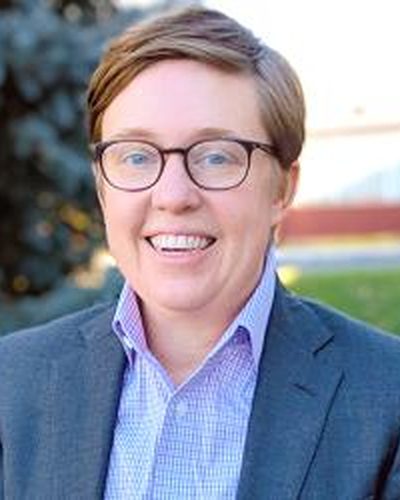
Logan Kelly, MPH
Center for Health Care Strategies
Logan Kelly, MPH, is a senior fellow at the Center for Health Care Strategies (CHCS), where she provides strategic consultation and technical assistance on behavioral health policy and financing, community-based workforce strategies, and person-centered care models for adults with complex health and social needs. Her work includes providing technical assistance to state Medicaid agencies; leading learning collaboratives and stakeholder convenings with managed care organizations, health and social care providers, and other partners; and conducting research on the impacts of state Medicaid transformation and behavioral health initiatives.
Entrepreneurship in Neuromodulation
4 speakers
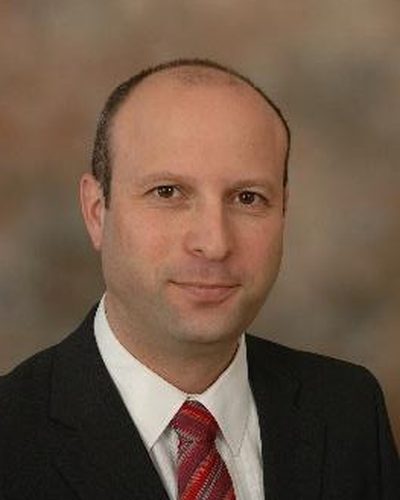
Oded Kraft
GrayMatters Health
Oded Kraft is co-founder and CEO of GrayMatters Health, developing non-drug, non-invasive interventional psychiatry treatments powered by the first FDA-cleared behavioral BCI digital brain biomarker. The company was founded on a simple belief: whatever the intervention, drug, device or psychedelic, the field advances only when we measure what the brain is doing and identify who is responding. Oded brings 30 years of global leadership, across a wide span of technologies and multiple businesses.
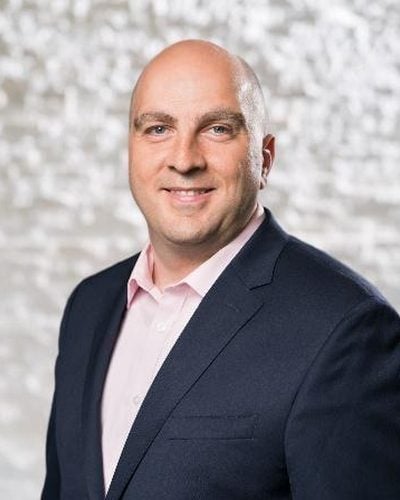
Grady Hannah
NightWare
Grady Hannah co-founded NightWare, the 7th FDA Cleared Digital Therapeutic, in 2015, and subsequently co-founded the Rapid Acting Mental Health Treatment conference (RAMHT), which brings together key clinical and research constituencies and industry stalwarts such as Definium Therapeutics, BrainsWay, Ampa, Radial, Neurolief, NRX, and other innovators. Grady lives in Minneapolis, Minnesota, the world center of med device innovation.
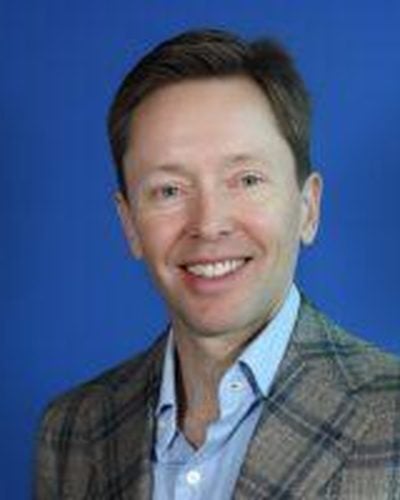
Brent Bellm
Wave Neuroscience
Brent Bellm is Chief Commercial Officer at Wave Neuroscience, where he oversees strategic partnerships, sales, marketing, and corporate development. Wave Neuroscience’s EEG/ECG-guided, personalized neuromodulation system using transcranial magnetic stimulation has been cleared by the FDA to treat adults with post-traumatic stress disorder (PTSD). Prior to Wave, Brent helped build and IPO two technology companies: BigCommerce, the ecommerce software platform, where he was CEO and Chairman for over nine years, and HomeAway, the leader in online vacation rental marketplaces, where he was President and COO for five years.
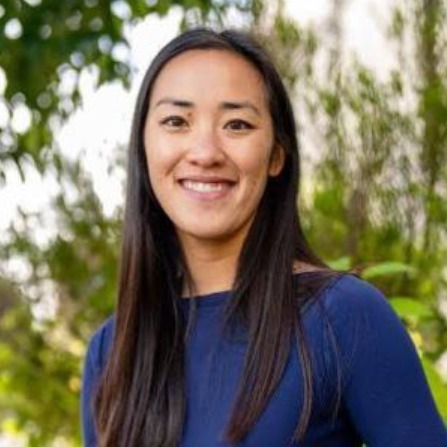
Lucia Huang
Osmind
Lucia Huang is co-founder and CEO of Osmind. Prior to Osmind, she led business and operations at Verge Genomics, a next generation biotechnology company leveraging artificial intelligence for central nervous system diseases such as ALS and Parkinson’s. Lucia graduated Yale with a B.S. in Chemistry and earned an MBA at Stanford, where she was also awarded a Certificate in Public Management and Social Innovation for her dedication to social impact. She has been named to Forbes 30 under 30 for her innovative work in healthcare.
From Clinical Trials to Clinical Practice: Measuring What Matters
3 speakers
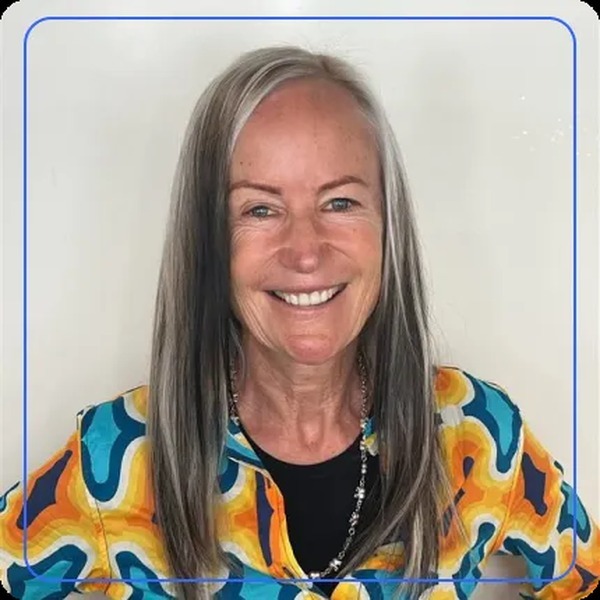
L. Alison McInnes, MD, MS
Mindful Health Solutions
Dr. L. Alison McInnes is Director of Psychedelic Medicine at Mindful Health Solutions, a multi-site interventional psychiatry company that specializes in novel therapies and real-world evidence generation. She is also a faculty expert for the American Society of Ketamine Physicians, Psychotherapists and Practitioners and senior author of the first ever multidisciplinary Delphi-driven consensus guidelines for intravenous ketamine (IVK) therapy sponsored by that group.
Elliot Marseille, DrPH, MPP
UC Berkeley
Elliot Marseille, DrPH, MPP, is a health economist whose work sits at the intersection of psychedelic science, public health, and policy. He directs the Collaborative for the Economics of Psychedelics at UC Berkeley, where he and collaborators develop rigorous, decision-relevant analyses of psychedelic-assisted therapies.
Also speaking in:

Elisabeth Irvine
Standardizing Measures in Psychedelic Science (StaMPS)
Elisabeth Irvine’s research focuses on improving how psychedelic therapies are studied, with particular interests in data standardization and research methodology. She coordinates the Standardizing Measures in Psychedelic Science (StaMPS) initiative, an international expert-consensus project developing a framework to guide data collection across psychedelic research and care.
Developing Professional Practice Guidelines
3 speakers
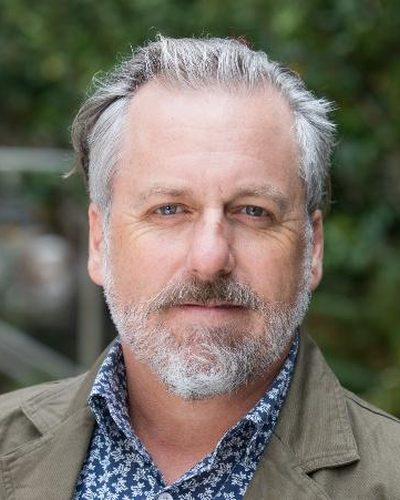
Andrew Penn, MS, PMHNP
UCSF School of Nursing
Andrew Penn, MS, PMHNP, is a Clinical Professor in the University of California, San Francisco, School of Nursing where his teaching has received the UCSF Academic Senate Distinction in Teaching Award, among other recognitions. Trained as a psychiatric-mental health nurse practitioner, he directs national clinical nursing operations for Salma Health, a company founded by the creators of Stanford Accelerated Intelligent Neuromodulation Treatment (SAINT), a rapidly acting form of Transcranial Magnetic Stimulation (TMS). He is a cofounder of the Organization of Psychedelic and Entheogenic Nurses (OPENurses.org).
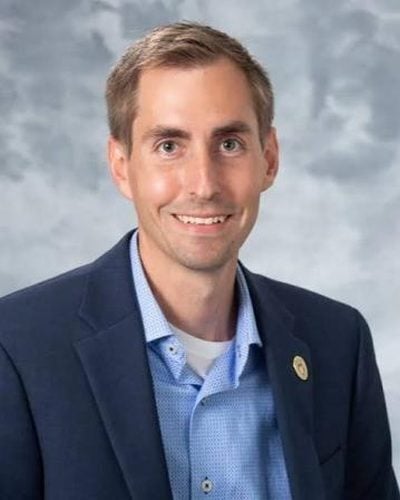
Cody J. Wenthur
University of Wisconsin–Madison
Cody J. Wenthur is a member of the faculty in the School of Pharmacy at the University of Wisconsin–Madison. Dr. Wenthur’s research focuses on improvement of the treatment landscape for drug abuse and mental illnesses through the discovery and application of novel biological and chemical tools that modify maladaptive reward learning.
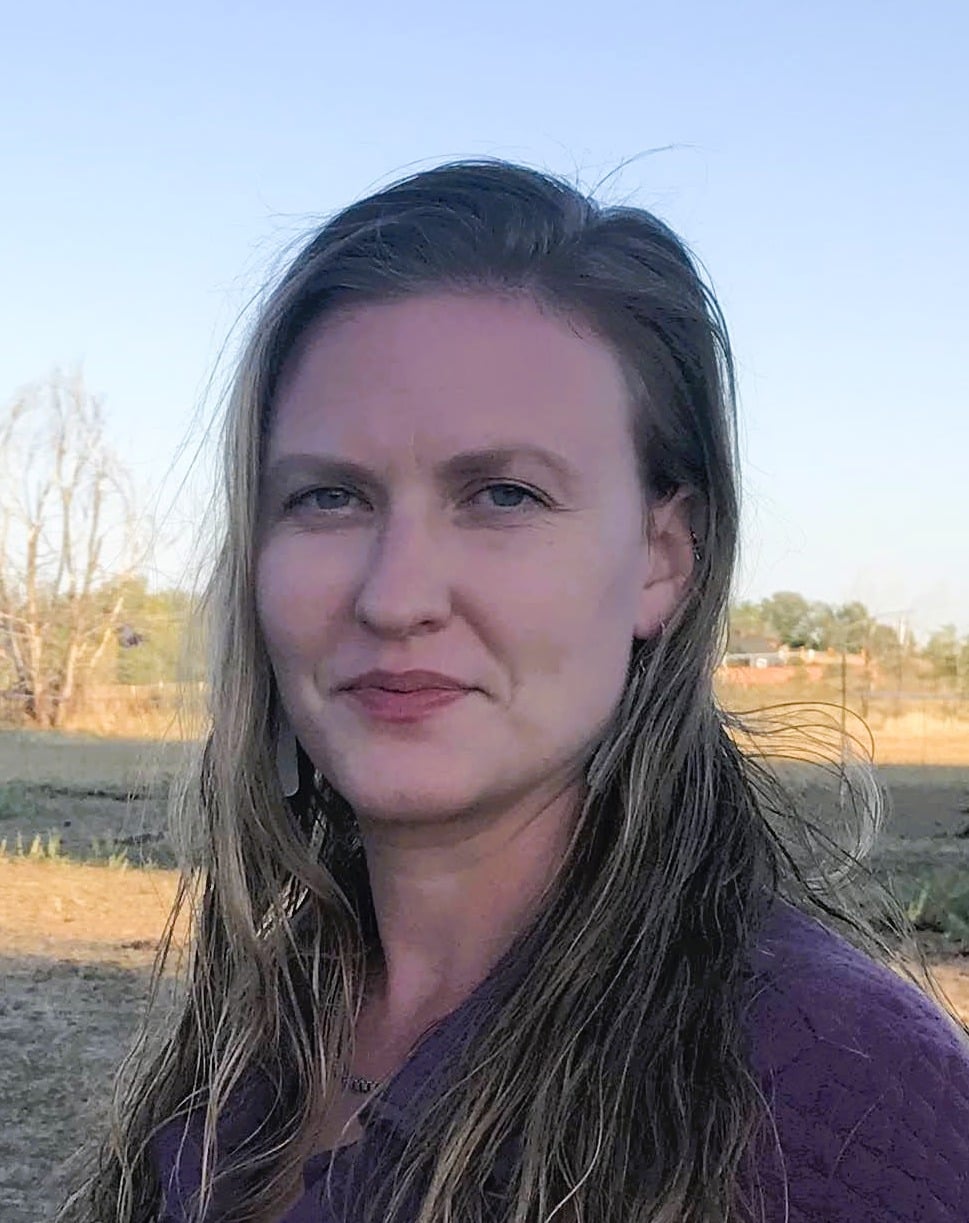
Meghan Morrissey, LCSW, LAC
BrainFutures - Clinical Advisor
General Session: Afternoon Reflections
4 speakers
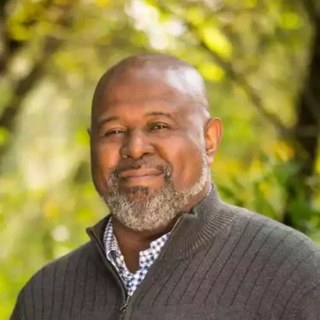
Philip Rutherford
National Council for Mental Wellbeing
Philip Rutherford is Vice President, Substance Use Continuum at The National Council for Mental Wellbeing. Rutherford has managed strategy and operations for several recovery-focused organizations. He is a member of committees at the National Institutes of Health, the Food and Drug Administration and other federal agencies. He serves as board chair for the Police Treatment and Community Collaborative. He also holds board seats at the National Association of Addiction Treatment Providers, Ampact, and the Recovery Policy Collaborative.
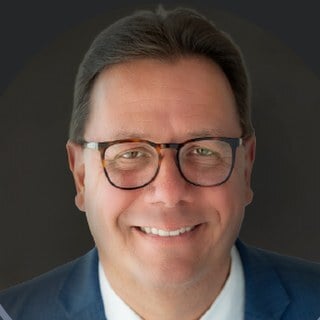
Jeff Richardson
Integral Care
Jeff Richardson serves as the CEO for Integral Care. Previously he was the Vice President and Chief Operating Officer of Sheppard Pratt, a prominent behavioral health organization in Maryland. Jeff holds a master’s degree in social work from the University of Maryland and a master’s in business administration from Loyola University. His commitment to behavioral health advocacy is evident through his involvement in nonprofit boards and state task forces. Jeff has held prestigious roles such as Board President for The National Council for Behavioral Healthcare, President of the Board for the Mental Health Association of Maryland and President of the BrainFutures board.
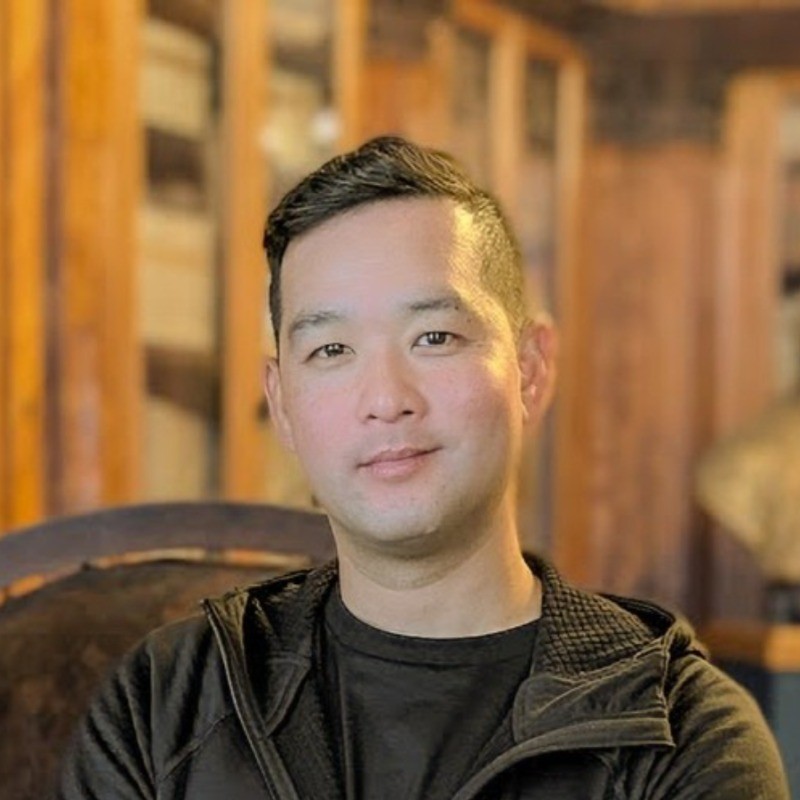
Hawk Tran, MPH
NAVREF
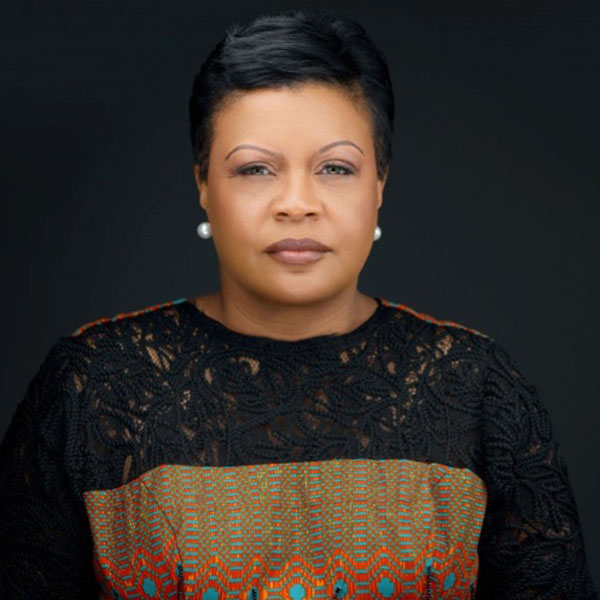
Marketa M. Wills, M.D., M.B.A., FAPA
American Psychiatric Association (APA)
Marketa M. Wills, M.D., M.B.A., FAPA, is the CEO/Medical Director of the American Psychiatric Association, becoming the organization’s eighth CEO and its first Black American and first woman. Prior to joining APA, Dr. Wills served as Senior Vice President and Chief Medical Officer for Johns Hopkins Health Plans (JHHP), where she led clinical strategy and operations across Pharmacy, Medical Management, Care Management, and Quality Improvement.
What’s Next? Rapid Fire on Neuromodulation Interventions
3 speakers
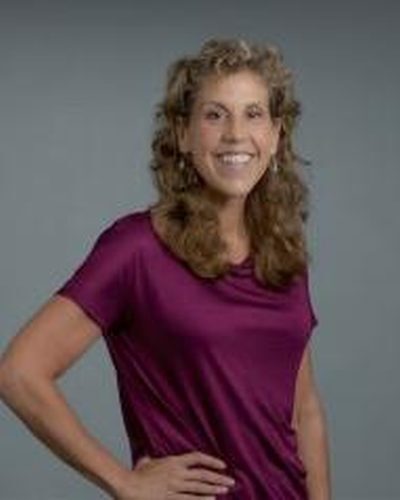
Leigh Charvet, PhD
NYU Grossman School of Medicine
Leigh Charvet, PhD, is Professor of Psychiatry and Neurology at NYU Grossman School of Medicine, where she recently joined Interventional Psychiatry and directs the NYU Langone tDCS Program. She is a clinical neuropsychologist whose research focuses on developing and translating home-based wearable neuromodulation and digital health technologies to improve outcomes across neurological and psychiatric disorders.
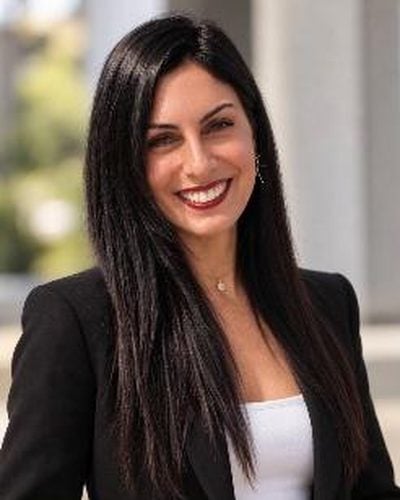
Ceyda Sayalı, PhD
Johns Hopkins University
Ceyda Sayalı, PhD, is an Assistant Professor of Psychiatry and Behavioral Sciences and a faculty member at the Center for Psychedelic and Consciousness Research at Johns Hopkins University. She is a cognitive neuroscientist whose research investigates the neurocognitive and neurophysiological mechanisms underlying the acute and enduring effects of psychedelics, with the broader goal of understanding how these compounds produce lasting changes in cognition, mood, and behavior.
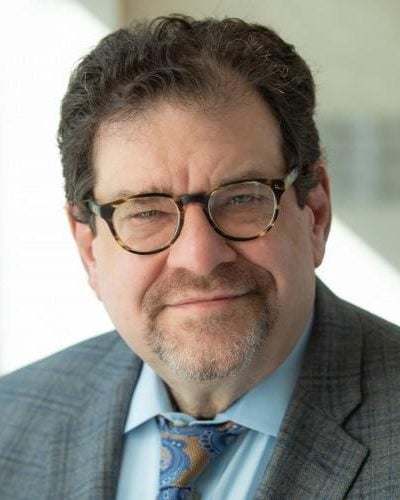
Scott Aaronson
Sheppard Pratt
Dr. Scott Aaronson is an adjunct professor of psychiatry at the University of Maryland School of Medicine, distinguished life fellow of the American Psychiatric Association, and is a fellow of the American College of Psychiatrists as well as the Clinical TMS Society and the American Society of Clinical Psychopharmacology. Dr. Aaronson also serves on the boards of the American Society of Clinical Psychopharmacology and the Brain Stimulation Subspecialty Society. Dr. Aaronson is the Chief Science Officer for the Institute for Advanced Diagnostics and Therapeutics at Sheppard Pratt.
Interdisciplinary Core Competencies for Psychedelic Therapies
3 speakers
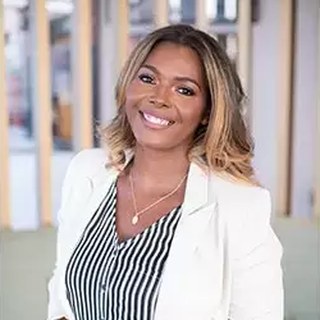
Jessica Jackson, PhD
Therapy Is For Everyone
Dr. Jessica Jackson is a licensed psychologist, consultant, and nationally recognized speaker helping organizations navigate emerging challenges and make thoughtful decisions about the future of mental health. Through her private practice, Therapy Is For Everyone Psychological & Consultation Services, she advises healthcare organizations, professional associations, startups, and investors on responsible innovation, mental health strategy, and equitable implementation.
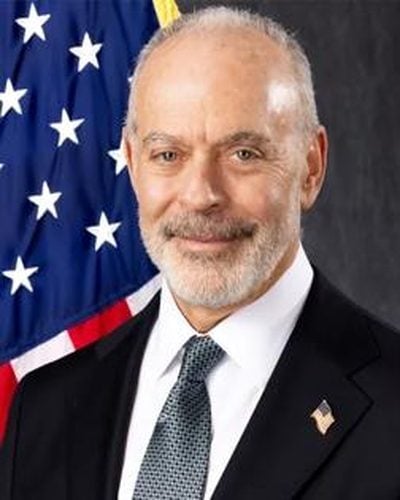
Rick Lambert, MD
SAMHSA
Rick Lambert, MD, is a highly experienced physician with over 40 years of clinical practice, including more than 20 years in emergency medicine. A graduate of the NYU School of Medicine, Dr. Lambert has dedicated his career to providing compassionate, high-quality care across multiple disciplines, including emergency medicine, physical medicine, and acupuncture. In his role as a Senior Advisor at SAMHSA, he will be collaborating with leaders to implement cutting-edge treatments that can improve the well-being of Americans nationwide.
Also speaking in:
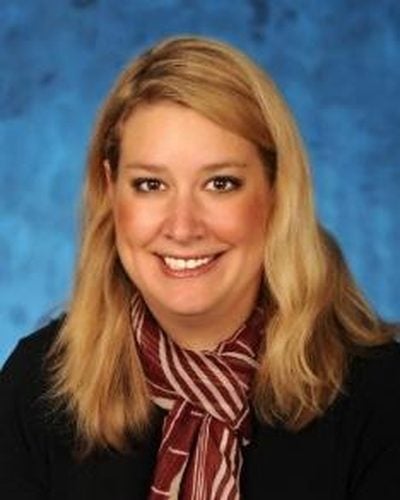
Stacey Pollack
Dr. Stacey Pollack is a clinical psychologist and recently retired as the Senior Consultant for Strategic Priorities in the Office of Mental Health (OMH) at VA Central Office. She was part of the OMH Executive Leadership Team and worked in the VA Central Office for approximately fifteen years (and in VA for 26 years). Dr. Pollack’s expertise is in the area of PTSD and Disability Evaluations, and within her portfolio she oversaw the National Center for PTSD and was part of the steering committee of the VA psychedelics integrated project team. Dr. Pollack served as the Lead Psychologist and was the OMH subject matter expert/liaison for issues pertaining to mental health training and mental health hiring. She received her Bachelor’s Degree from the University of Maryland and her Master’s and Doctoral degrees from the University of Georgia’s clinical psychology program.
Shaping the Next Wave of Research
6 speakers
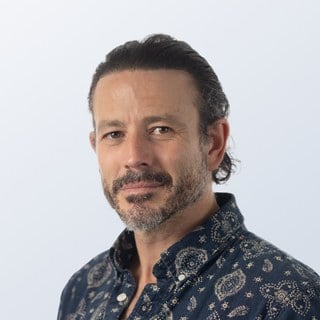
Al Bugazia, MD
ARPA-H
Dr. Al Bugazia joined ARPA-H in May 2026 and is an internal medicine and critical care–trained physician with more than a decade of experience as an intensivist, educator, and adjunct associate professor at the University of Wisconsin School of Medicine. He completed his critical care fellowship at Cleveland Clinic, where he served as Chief Fellow. His work has since expanded from crisis-based care to a broader focus on precision health, healthy aging, and chronic disease prevention.
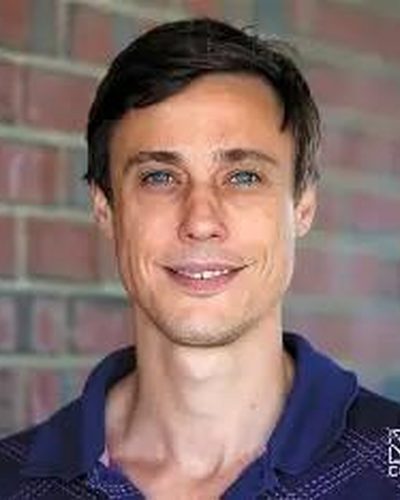
Franklin King IV, MD
Massachusetts General Hospital
Franklin King IV, MD, serves as the Director of Training and Education at the Massachusetts General Hospital (MGH) Center for the Neuroscience of Psychedelics and holds a faculty position as a Clinical Instructor at Harvard Medical School. His primary clinical and research focus is on the application of psychedelic-assisted psychotherapy for the treatment of persistent psychiatric conditions, e.g., depression and anxiety disorders. He also maintains a clinical practice as a staff psychiatrist at the Center for Anxiety and Traumatic Stress Disorders.
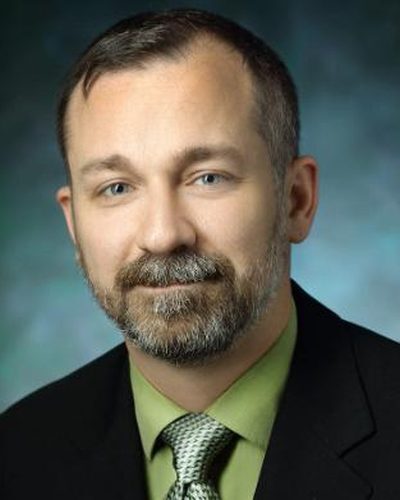
Fred Barrett
Johns Hopkins University
Fred Barrett is a cognitive neuroscientist with training in behavioral pharmacology. He has been conducting psychedelic research at Johns Hopkins University since 2013, and his research in healthy participants and in patients with mood and substance use disorders focuses on the psychological and neurological mechanisms underlying the enduring therapeutic and other effects of psychedelic drugs. He developed the first comprehensive questionnaire to measure subjective aspects of challenging experiences encountered with psilocybin.
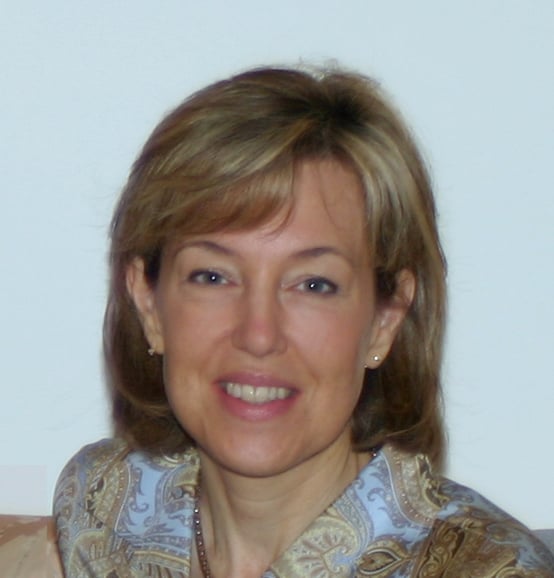
Carol Hubner
National Institute on Drug Abuse
Wendy Tenhula
Veterans Health Administration
Dr. Wendy Tenhula is a clinical psychologist with expertise in the development, implementation, and evaluation of psychosocial interventions; cognitive functioning in schizophrenia; vocational rehabilitation; and reducing the stigma associated with seeking mental health treatment. In her current role, as the Deputy Chief Research and Development Officer, Office of Research and Development, Veterans Health Administration (VHA), she is responsible for directing, coordinating and evaluating the Veterans Health Administration’s national Research and Development program with a focus on increasing Veteran access to high quality clinical trials, increasing the real-world impact of VA research and transforming VA data into a national research resource.
Nailah Harrell, MS
BrainFutures - State Policy and Technical Assistance Director
Establishing Ethical Principles for Psychedelic Therapy
2 speakers
Amy McGuire, JD, PhD
Baylor College of Medicine
Amy McGuire, JD, PhD, is the Leon Jaworski Professor of Biomedical Ethics, Director of the Center for Medical Ethics and Health Policy at Baylor College of Medicine and founding director of the Ethical Legal Implications of Psychedelics in Society (ELIPSIS) program. She researches ethical and policy issues related to emerging technologies and innovative therapeutics, with a particular focus on genetics and genomics, neuropsychology, artificial intelligence, and the clinical integration of novel neurological devices.
Rebecca Weintraub Brendel, MD, JD
Harvard Medical School
Rebecca Weintraub Brendel, MD, JD, is the Director of the Center for Bioethics at Harvard Medical School. She bases her clinical work in psychiatry at Massachusetts General Hospital (MGH) where she is the director of Law and Ethics at the Center for Law, Brain, and Behavior, provides medical oversight for the hospital’s inpatient guardianship team, and practices clinical and forensic psychiatry. Dr. Brendel is also an Associate Professor of Psychiatry and Global Health and Social Medicine at Harvard Medical School.
Closing Plenary
5 speakers
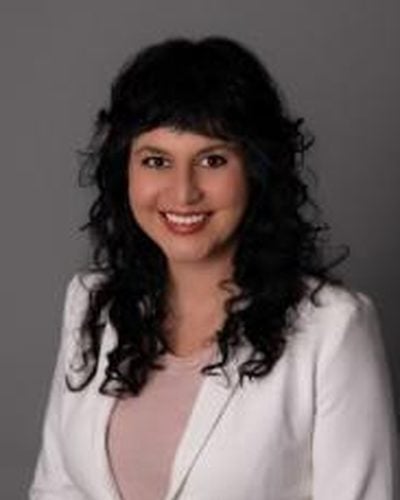
Megan Vaughan
Veterans Exploring Treatment Solutions (VETS)
Dr. Megan Vaughan is a researcher and clinician in human performance, integrative medicine, and cognitive neuroscience, specializing in performance-based mindfulness, sleep, psychedelic integration, and biofeedback. She designs brain health and resilience programs for Special Operations Forces (SOF) personnel and First Responders, focusing on cognitive functioning, sleep, and emotional regulation. Dr. Vaughan is a Somatic Experiencing Practitioner (SEP) and is trained in psychedelic integration through the California Institute of Integral Studies (CIIS) and Fluence Harm Reduction. She leads psychedelic integration workshops for veterans and their spouses through Veterans Exploring Treatment Solutions (VETS).
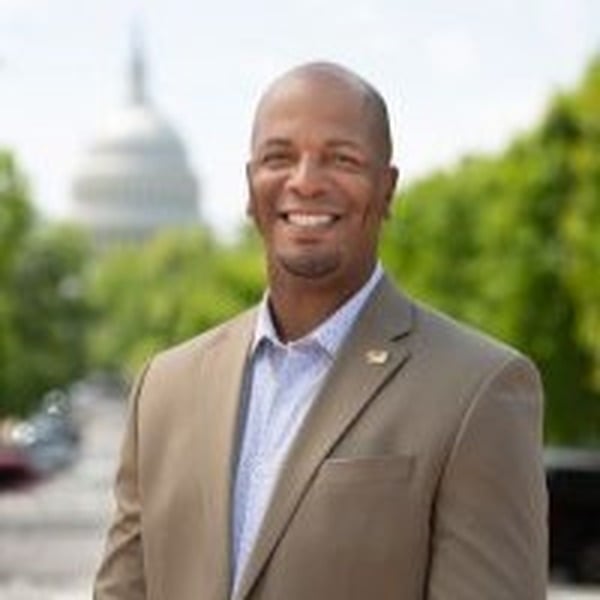
Anthony Estreet, PhD, MBA, LCSW-C
Next Step Treatment Center
Anthony Estreet, PhD, MBA, LCSW-C, earned a bachelor’s in science in psychology from Bowie State University, an MSW at Virginia Commonwealth University, a doctorate in social work at Morgan State University, and an MBA at the University of Maryland–College Park. He has been a professor and chair of the Master of Social Work Program at Morgan State University since 2013. Estreet is also founder and chief executive officer of Next Step Treatment Center in Baltimore, which provides substance use treatment and mental health services.
Rick Lambert, MD
SAMHSA
Rick Lambert, MD, is a highly experienced physician with over 40 years of clinical practice, including more than 20 years in emergency medicine. A graduate of the NYU School of Medicine, Dr. Lambert has dedicated his career to providing compassionate, high-quality care across multiple disciplines, including emergency medicine, physical medicine, and acupuncture. In his role as a Senior Advisor at SAMHSA, he will be collaborating with leaders to implement cutting-edge treatments that can improve the well-being of Americans nationwide.
Also speaking in:
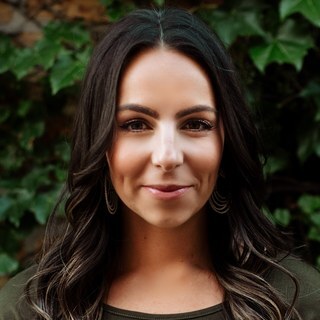
Jessica Punzo, PsyD
Rooted Journey Wellness
Jessica Punzo, PsyD, is a licensed clinical psychologist and PSYPACT provider with advanced training and leadership in trauma-focused care. She holds a doctoral degree in Clinical Psychology with a concentration in Traumatic Stress from Adler University and currently serves as Past President of Division 56, Trauma Psychology, of the American Psychological Association. Dr. Punzo has extensive experience treating PTSD and complex trauma across diverse clinical settings, including community mental health, corrections, and VA systems. She is certified in psychedelic assisted therapy through the Integrative Psychiatry Institute (IPI) and maintains a private practice specializing in ketamine assisted psychotherapy.
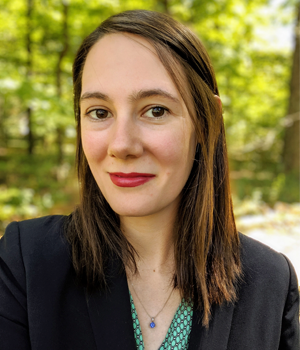
Jazz Glastra, MS
BrainFutures - Senior Director
Facilitators
4 speakers
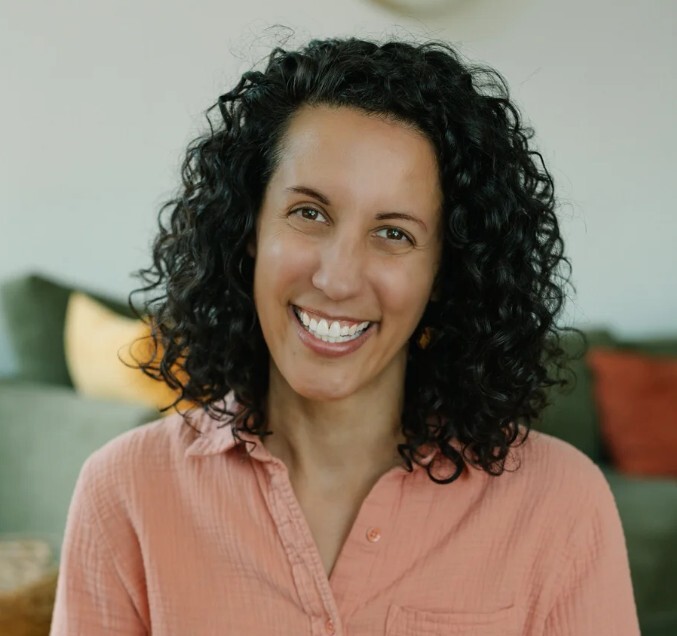
Tes Cohen, MPA
Gather Better
Tes Cohen, MPA, is Founder and Chief Gathering Officer of Gather Better, where she helps purpose-driven organizations design and facilitate gatherings that foster belonging, connection, and continuous learning. Her work spans facilitating women’s empowerment trainings as a Peace Corps Volunteer in Costa Rica, producing an 80-person summit for Gap Inc.’s CSR team, and leading youth workshops in New York City and Denver.
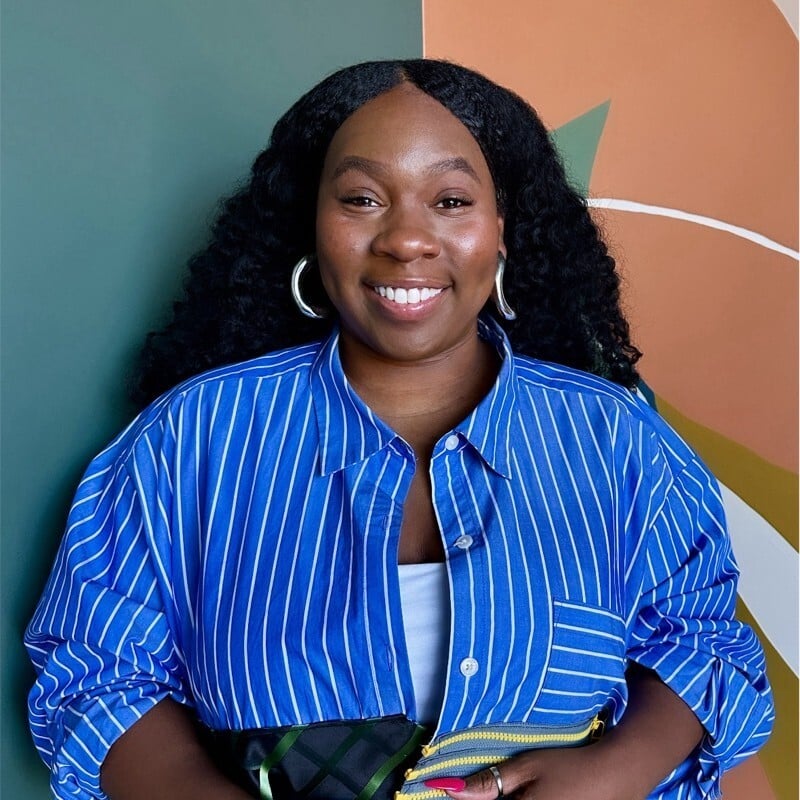
Mesha Byrd, MS
Second Draft Studios
Mesha Byrd, MS, is a community engagement practitioner based in Metro Atlanta. Through Second Draft Studios, she has partnered with nonprofits and purpose-driven organizations to build partnerships that drive collective change. Her work ranges from connecting charter schools with Brooklyn communities to improving voting experiences with election officials nationwide.
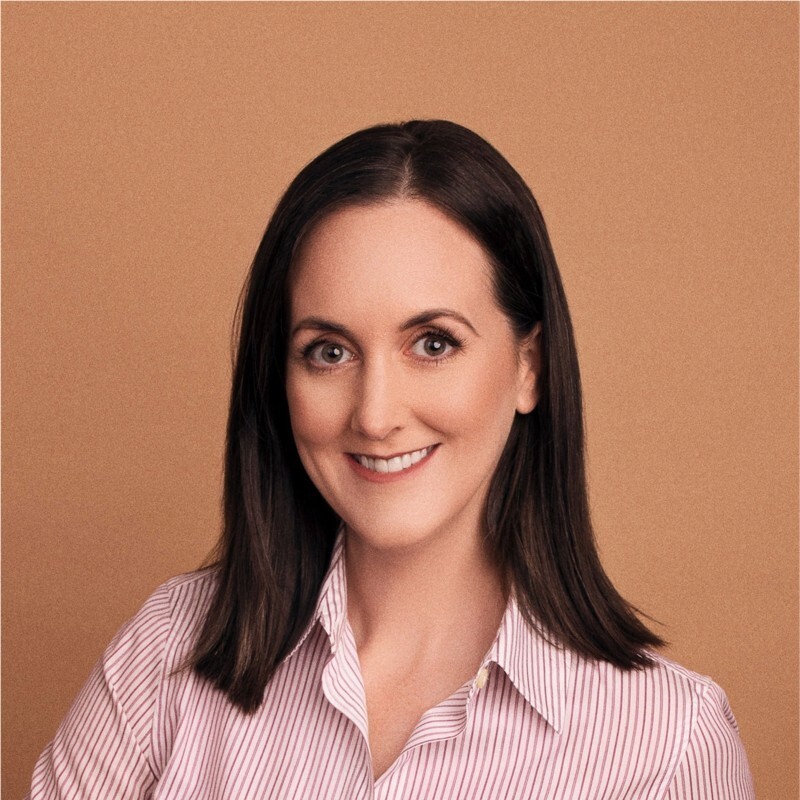
Laura Runnels, MPH
LAR Consulting, LLC
Laura Runnels, MPH, is the Founder of LAR Consulting, LLC, where she helps groups think more clearly, work more collaboratively, and move from conversation to action. For nearly two decades, she has designed and facilitated convenings, conducted formative research, and served as a thinking partner for clients. These include ASTHO, NACCHO, the CDC Foundation, the National Council for Mental Wellbeing, and the National Academies.
Kimberly Green-Warren, MPH
SMART Health Education
Kimberly Green-Warren, MPH, is the Founder of SMART Health Education, where she helps mission-driven organizations design and facilitate learning experiences that stick. Her work spans curriculum development, training design, and meeting facilitation where she has designed and facilitated meetings for APHA, NACCHO, NNPHI, the CDC Foundation, and the Campaign for Tobacco-Free Kids.
-

Dimitrios Cavathas, MSW
HealthPort
-

John Cammack, MBA
Kingcedar Holdings
-

Caroline Dorsen, PhD, FNP-BC, FAAN
Associate Dean and Clinical Professor, NYU; Senior Academic Advisor, Psychedelic Education Partnership
-
Vishal Madaan, MD, DFAPA, DFAACAP
American Psychiatric Association
-

Carlene MacMillan, MD, FCTMSS, DFAACAP
Radial
-

Joanne Maislin
Office of Systems Catalyst
-
Amy McGuire, JD, PhD
Baylor College of Medicine
-
L. Alison McInnes, MD, MS
Radial
-

Tyler Norris
-

Philip Rutherford
National Council for Mental Wellbeing
-

Ariel Richer, PhD, LMSW
University of Utah College of Social Work; Urban Indigenous Collective
-

John Snook, JD
Meadows Mental Health Policy Institute
-
Marketa Wills, MDA, MBA, FAPA
American Psychiatric Association
-

Hawk Tran, MPH
NAVREF